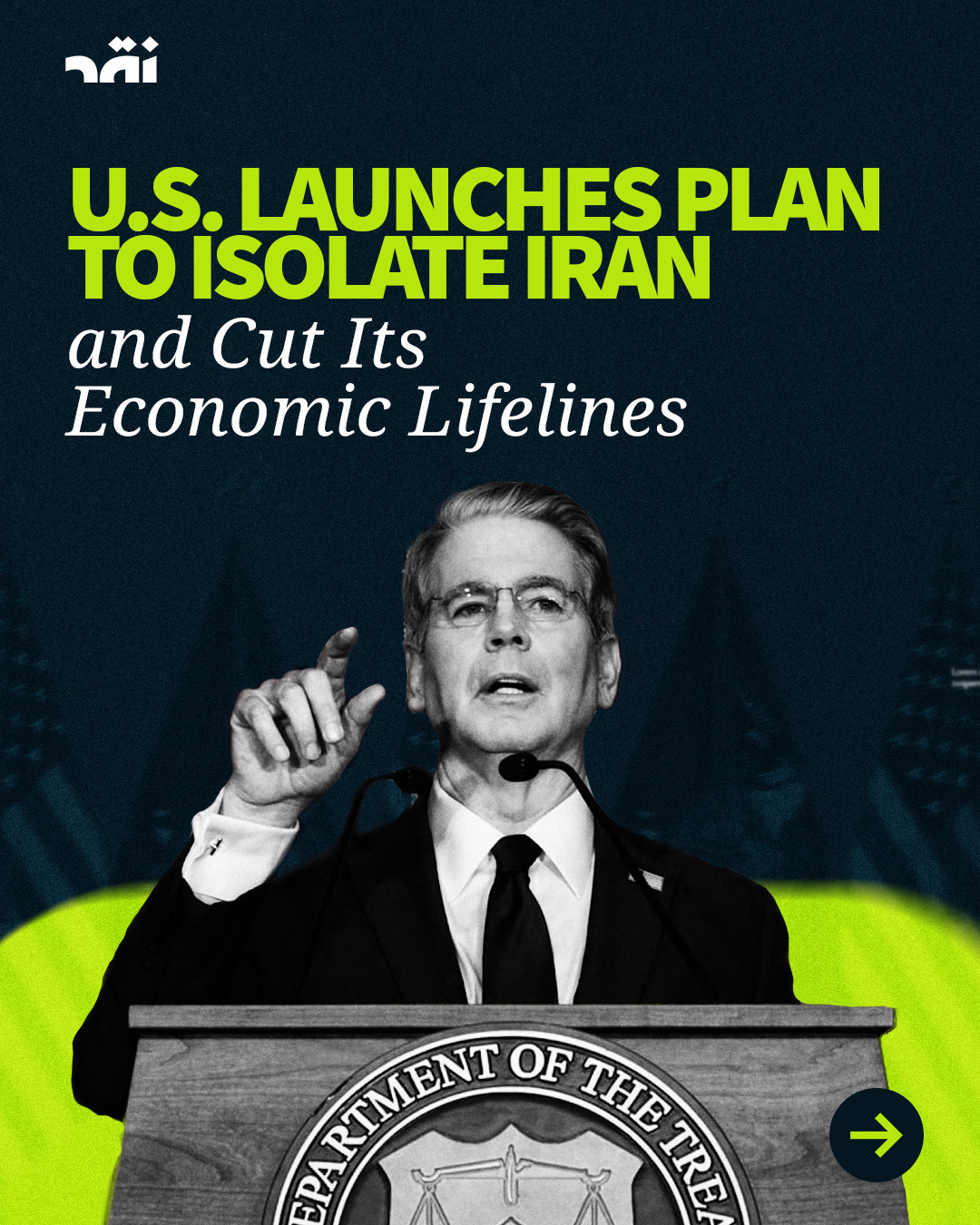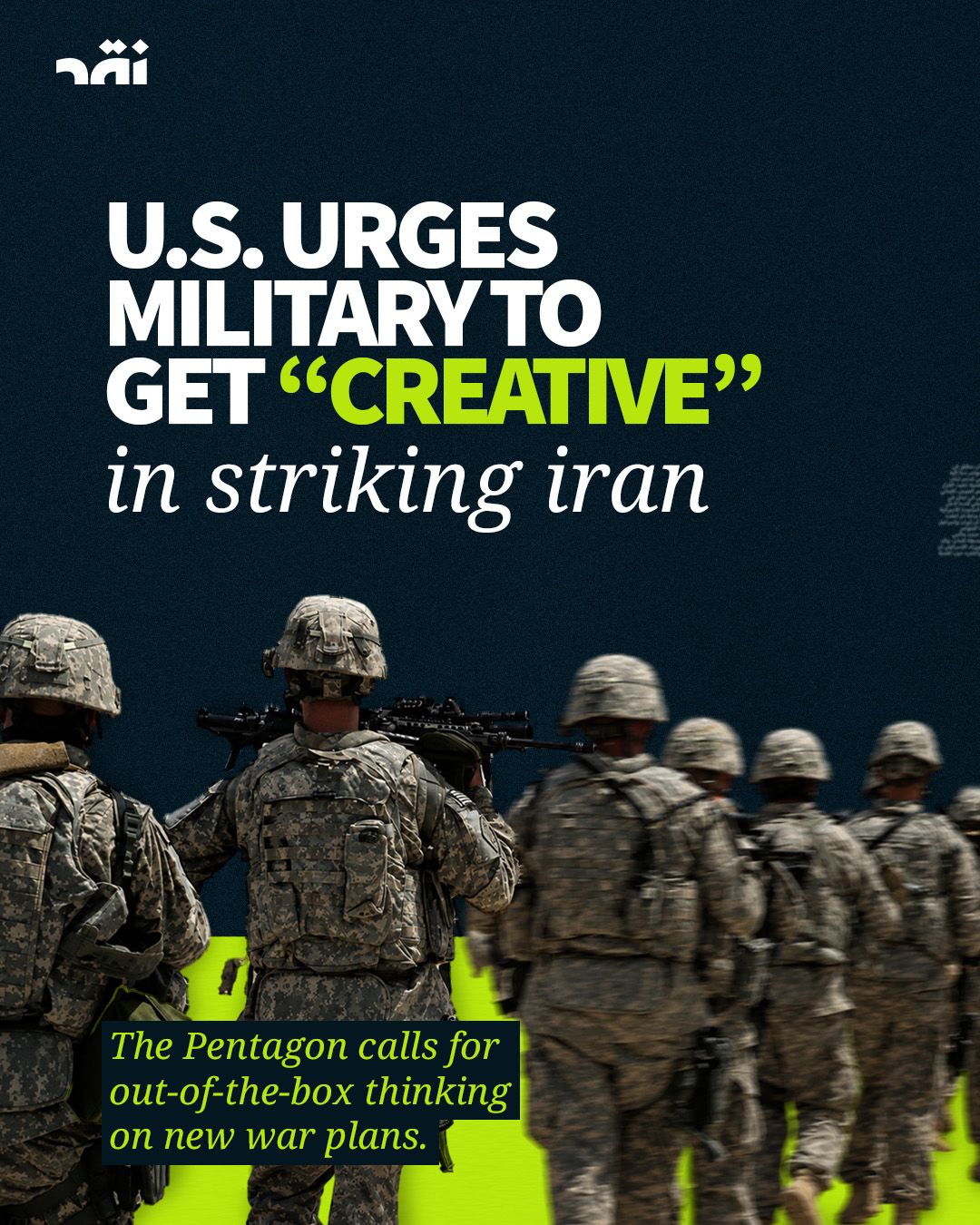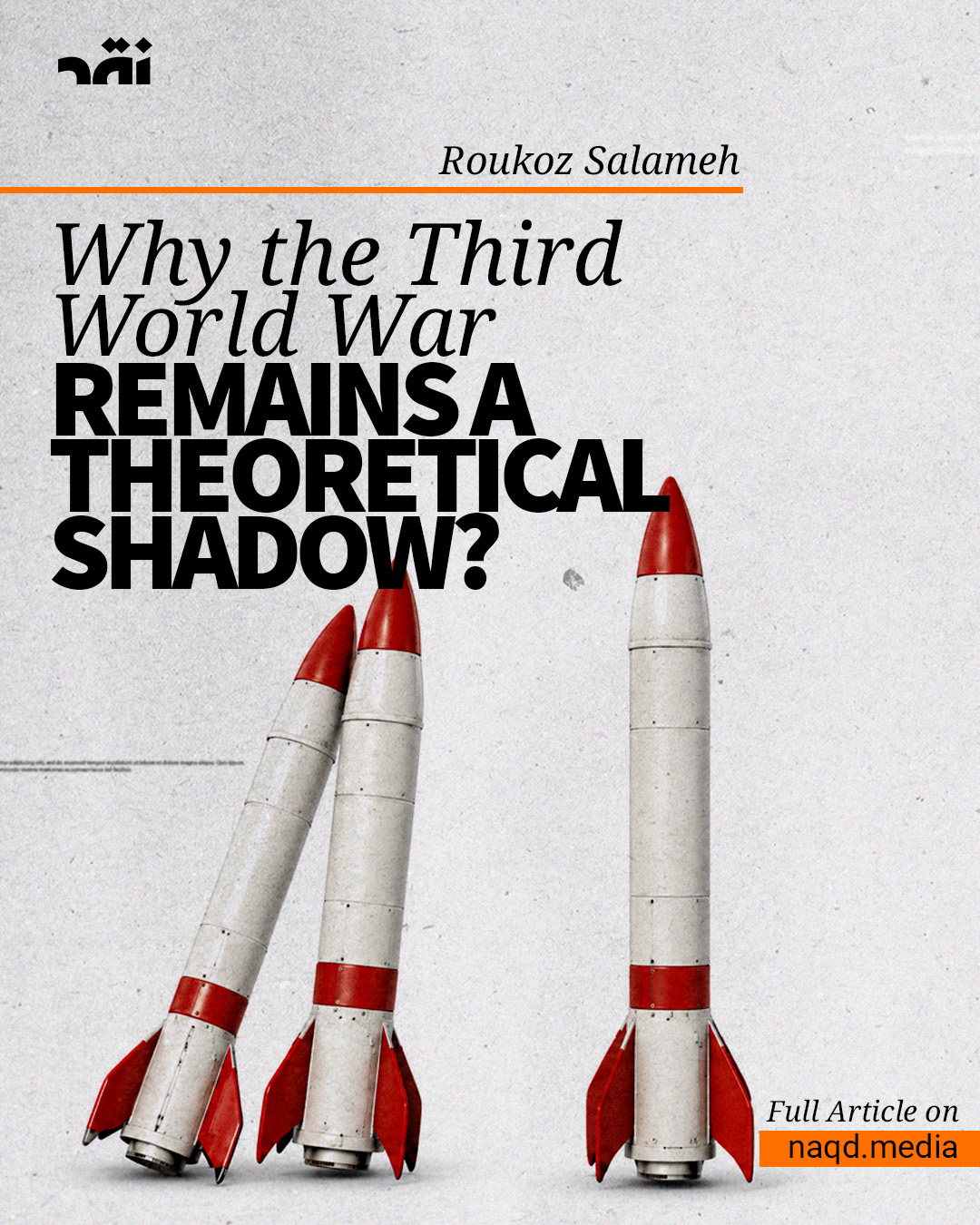

In a world increasingly defined by regional escalation, a haunting question has returned to the forefront of global discourse: Are we moving toward World War III? At first glance, the evidence is damning. Recent years have witnessed a series of high-intensity, far-reaching conflicts dominating global affairs on a scale not seen in decades. From the friction between the United States and Iran to the trench warfare of the Russia–Ukraine conflict; from the Israel–Hamas war and the Sudanese civil war to the ongoing insurgencies across Africa and Myanmar—the map is bleeding (Council on Foreign Relations, Global Conflict Tracker, 2026).
Yet, despite this rising tide of violence, there is a fundamental piece of the puzzle missing. To understand why these fires have not yet merged into a single global conflagration, we must look beyond the hardware of war and toward the structures of the human mind.
The Clausewitzian Trinity
To diagnose the current state of global affairs, we must return to Carl von Clausewitz (1780–1831). Clausewitz profoundly shaped modern strategic thought in his seminal work, On War, by arguing that all wars share three fundamentals, interacting components his “remarkable trinity”:
- Primordial Violence: The irrational passions, hatred, and enmity he described as a “blind natural force.” This is the psychological energy that fuels conflict at the level of the people.
- The Play of Chance and Probability: The uncertainty of military operations, where creativity and judgment are required to navigate the “fog of war.”
- Subordination to Reason and Policy: The rational dimension where war serves as a political instrument guided by state objectives.
In modern terms, this is the interaction between the People (emotion), the Army (operational skill), and the Government (strategic decision-making). For a “World War” to exist, all three must be fully activated and synchronized.
Ideology: The Invisible Connector
Ideology is the link that binds the government to the people. In modern societies, as Félix Guattari explored in A Thousand Plateaus (co-authored with Gilles Deleuze), systems of power influence collective perception and shape our very subjectivity through structured frameworks. Ideology is not just a set of political slogans; it is a comprehensive system of beliefs that determines how individuals understand the world and justifies how they should act within it.
Governments exert this influence through institutions education, media, and economic policy shaping collective belief systems until they feel like common sense. In a world war, this ideological “glue” must be strong enough to convince millions of people that their local interests are identical to a global cause.
The Fragmented Frontlines
When we examine contemporary conflicts through this lens, we find only fragments of ideological structures, rather than a unified global architecture.
Take Iran. Its position reflects a hybrid narrative of religious identity and territorial defense. While external pressure has reinforced internal cohesion strengthening the bond between the state and the population this narrative is localized. It does not possess the universalizing power to mobilize a global bloc.
Conversely, the United States currently appears to lack a clear, coherent ideological narrative at the global level. This contributes to a growing perception that its actions are primarily strategic or material protecting trade routes or maintaining hegemony rather than being grounded in a compelling, universal justification that can inspire a global population.
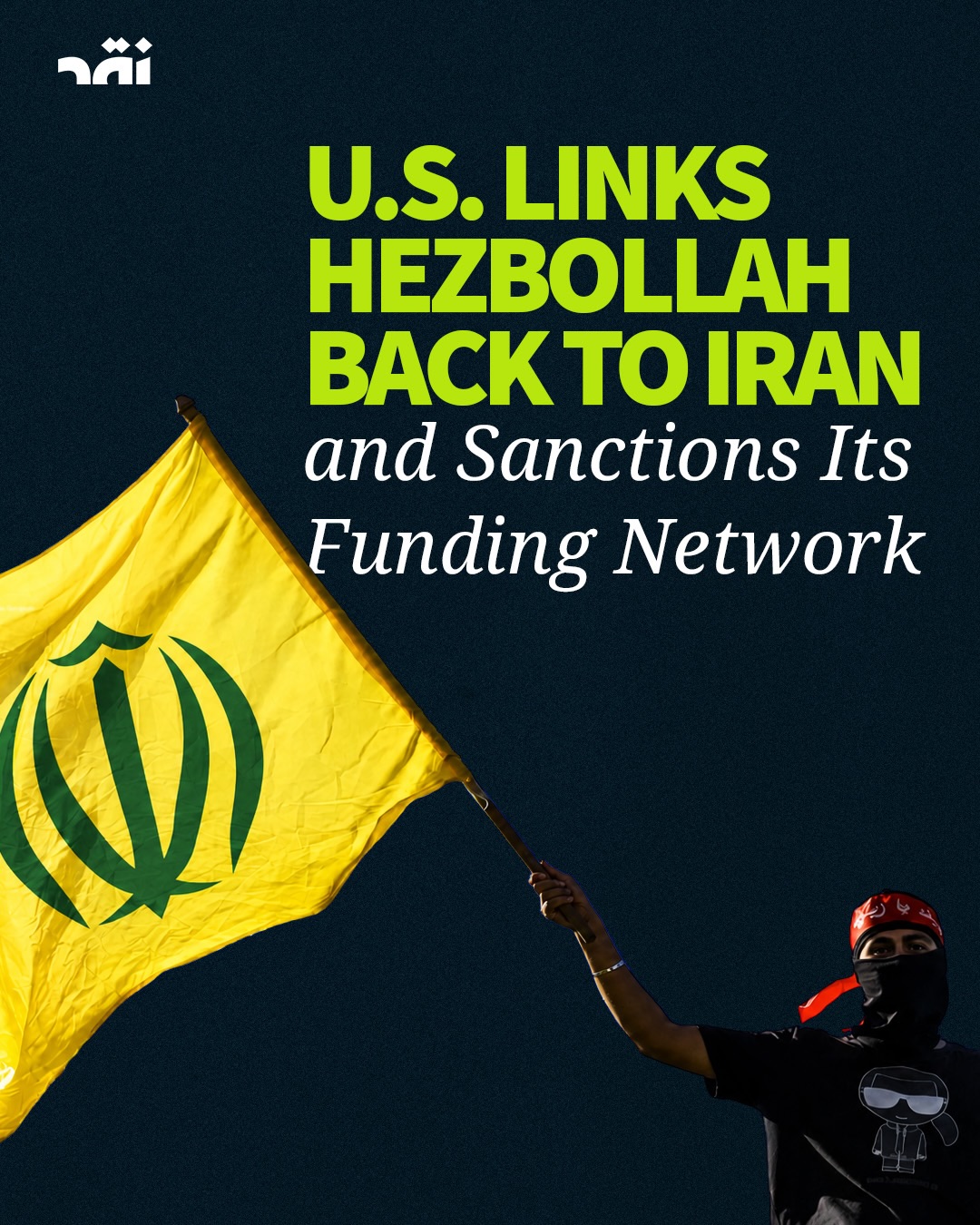
We see a similar pattern in Lebanon. While geopolitical alignments are visible the “Resistance Axis” of Hezbollah, Iran, and their connections to Russia and China versus the alignment of Israel, the U.S., and NATO—these remain largely within the strategic domain. They are alliances of convenience and security, not clearly defined ideological camps organized around a coherent political theory capable of structuring global mobilization.
The Ukraine Paradox
Even the Russia–Ukraine war, despite its staggering scale, has failed to produce a coherent ideological division comparable to the Cold War. While Western states largely support Ukraine and Russia positions itself in opposition to “Western decadence,” these alignments are driven primarily by strategic security and geopolitical considerations.
Unlike the bipolar structure of capitalism versus communism, where two competing visions for the future of humanity clashed in every corner of the globe, the current conflict reflects fragmented and overlapping interests. There is no unified “Globalism” fighting a unified “Traditionalism” in a way that maps neatly onto a world map.
Lessons from History
Historically, large-scale wars were structured around clear ideological oppositions. As historian David A. Bell argues in The First Total War, modern ideological warfare emerged with the American and French Revolutions, when political ideas became the primary engine for mobilizing entire populations.
By World War II, this reached its zenith as the world was divided by competing systems: fascism, liberalism, and communism.
Before this transformation, wars were driven by the mandates of dynastic power or religious faith. In the contemporary era, however, the presence of a dominant ideological framework capable of structuring a global conflict remains elusive. While major powers pursue competing strategic agendas, there is currently no unified narrative capable of mobilizing humanity into uncompromising opposing camps. A world war requires more than military escalation; it demands a shared ideological architecture that organizes perception, rationalizes violence, and sustains long-term collective commitment.
The Missing “Fire”
Clausewitz described primordial violence as a force comparable to fire a psychological energy that drives individuals to kill and die. Can such a force be activated globally today? Can we realistically imagine entire nations fully mobilized, with populations so ideologically aligned that they justify large-scale, planetary violence?
Ideology is not birthed instantaneously. Michel Foucault shows that systems of meaning are produced and circulated through discourse rather than simply declared. As sociologists Peter L. Berger and Thomas Luckmann noted in The Social Construction of Reality, social constructions only become “taken for granted” through a gradual movement from externalization to internalization. This eventually becomes what Pierre Bourdieu called the habitus (as explored in The Logic of Practice)—the durable dispositions embedded within the individual.
When we examine today’s global media and discourse, this process of internalization appears incomplete. We see fragmentation, competing localized discourses, and “echo chambers” rather than a singular, global ideological stabilization.
Paradoxical Peace
This absence of ideological unity may, paradoxically, be the best news we have. Without a unifying structure capable of dividing the world into coherent opposing blocs, the conditions for a Third World War as a singular, total conflict are not fully present.
What we are witnessing today is not the formation of a global war, but a tragic multiplicity of conflicts. They lack the ideological “glue” required to escalate into one. Unifying frameworks require time to emerge and stabilize across societies. For now, the world remains a collection of separate fires, prevented from becoming a global wildfire by the very fact that we no longer agree on what we are fighting for.