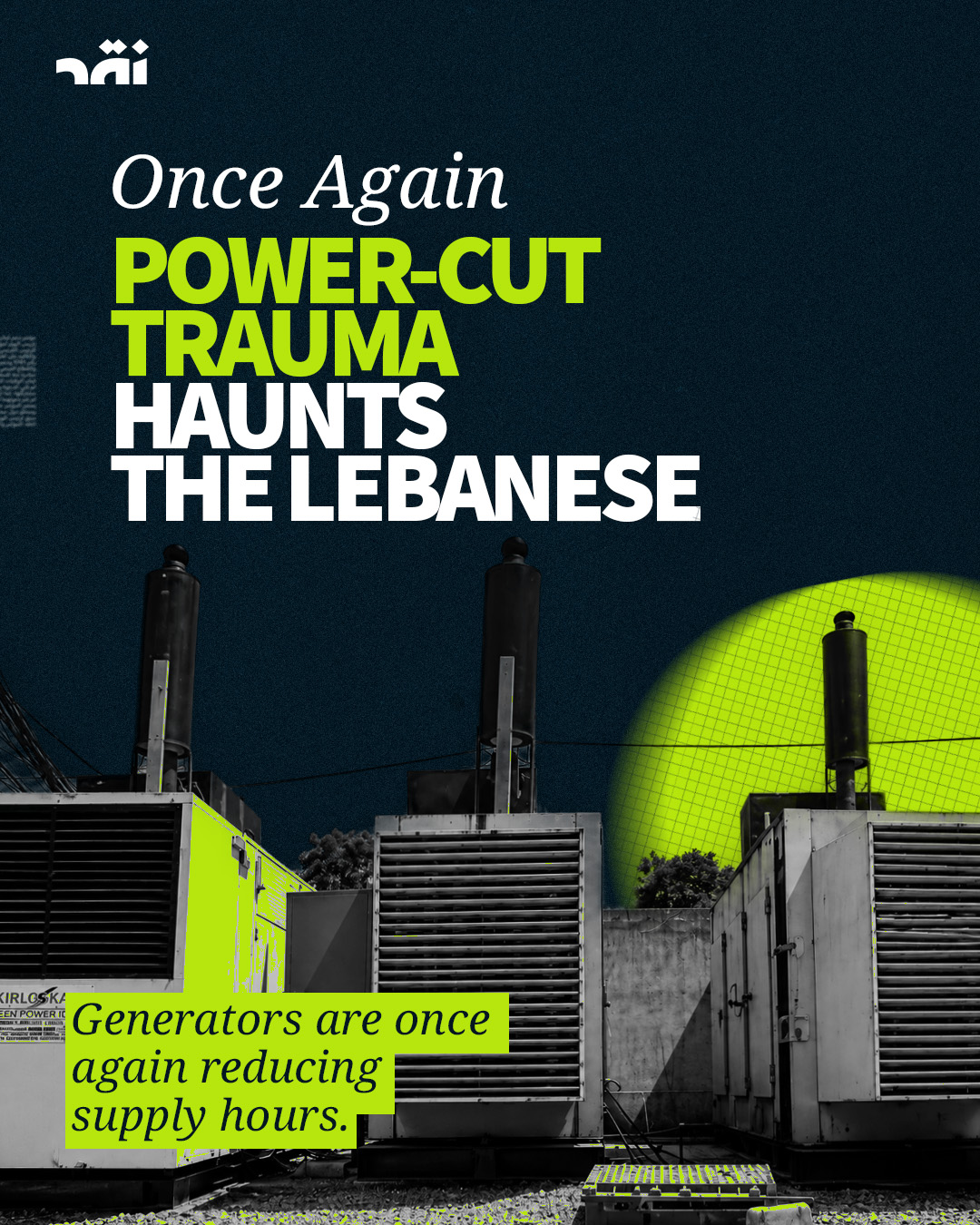

The generator subscription crisis is back in the spotlight. After nearly two years of severe rationing caused by the collapse of state electricity and repeated fuel shortages, a brief period of improvement made many believe the worst was over. Today, the same problems have returned, with reduced supply hours and generators being switched off for several hours each day.
A new chapter of daily hardship is beginning. Patients who rely on oxygen machines and medical equipment at home are at risk. Families face extreme heat without cooling, while students, employees, businesses, and shops lose productive hours and face rising operating costs. Lebanese households are once again turning to batteries, rechargeable lights, and small fans—after believing that era was behind them.
The immediate trigger is a sharp rise in diesel prices. A tonne now costs around $1,300 and is reportedly being delivered for nearly $1,500. Generator owners are therefore left with two options: raise subscription fees or reduce supply hours, while fears grow that the diesel black market could return.
But this crisis is only a symptom of the larger failure known as Électricité du Liban. Years of poor management, delayed reforms, incomplete plans, and political disputes have left people dependent on private generators instead of receiving stable electricity from the state.
Governments and promises change, but Lebanese citizens continue to pay two electricity bills and live under rationing, waiting for a lasting solution that may not arrive anytime soon.