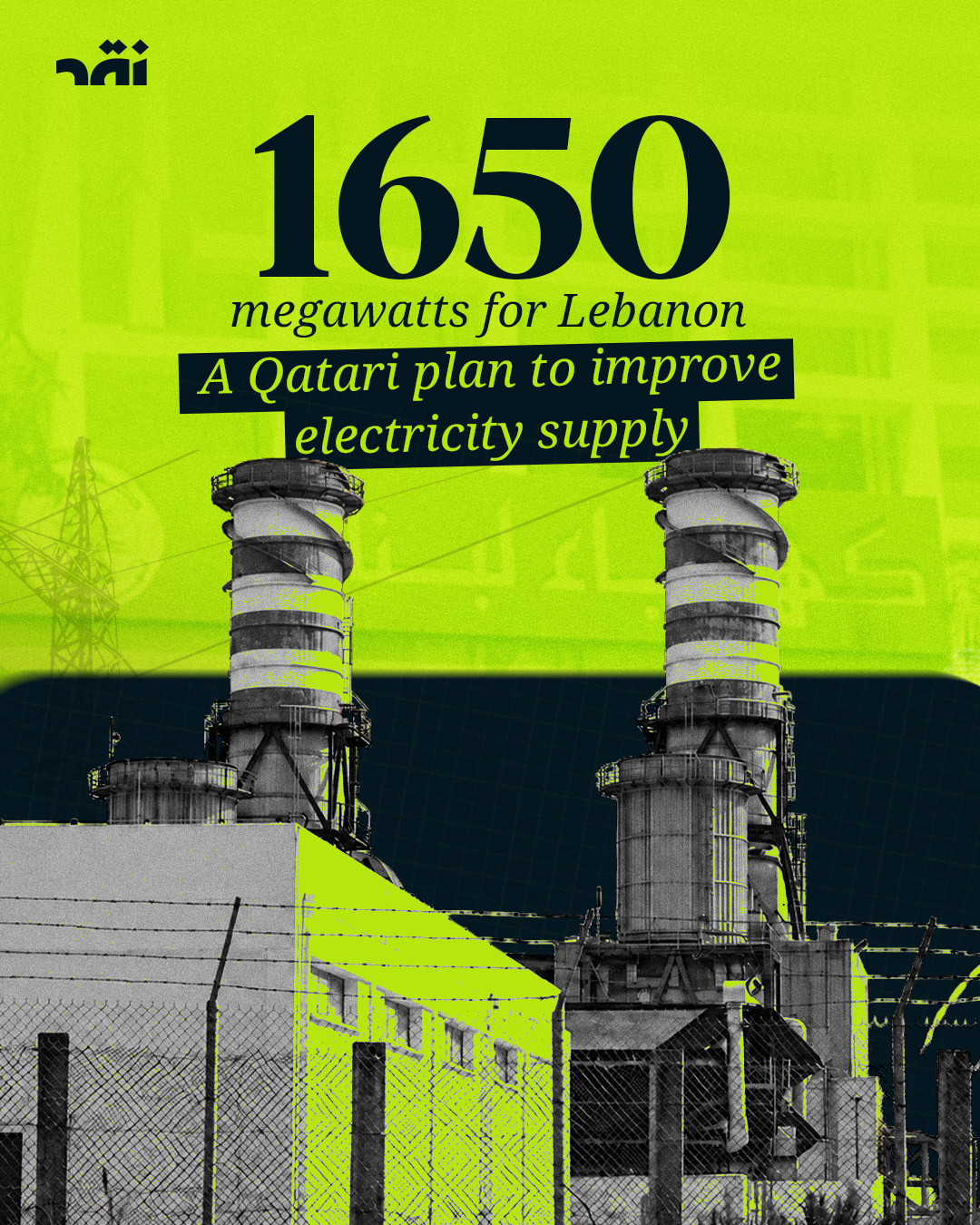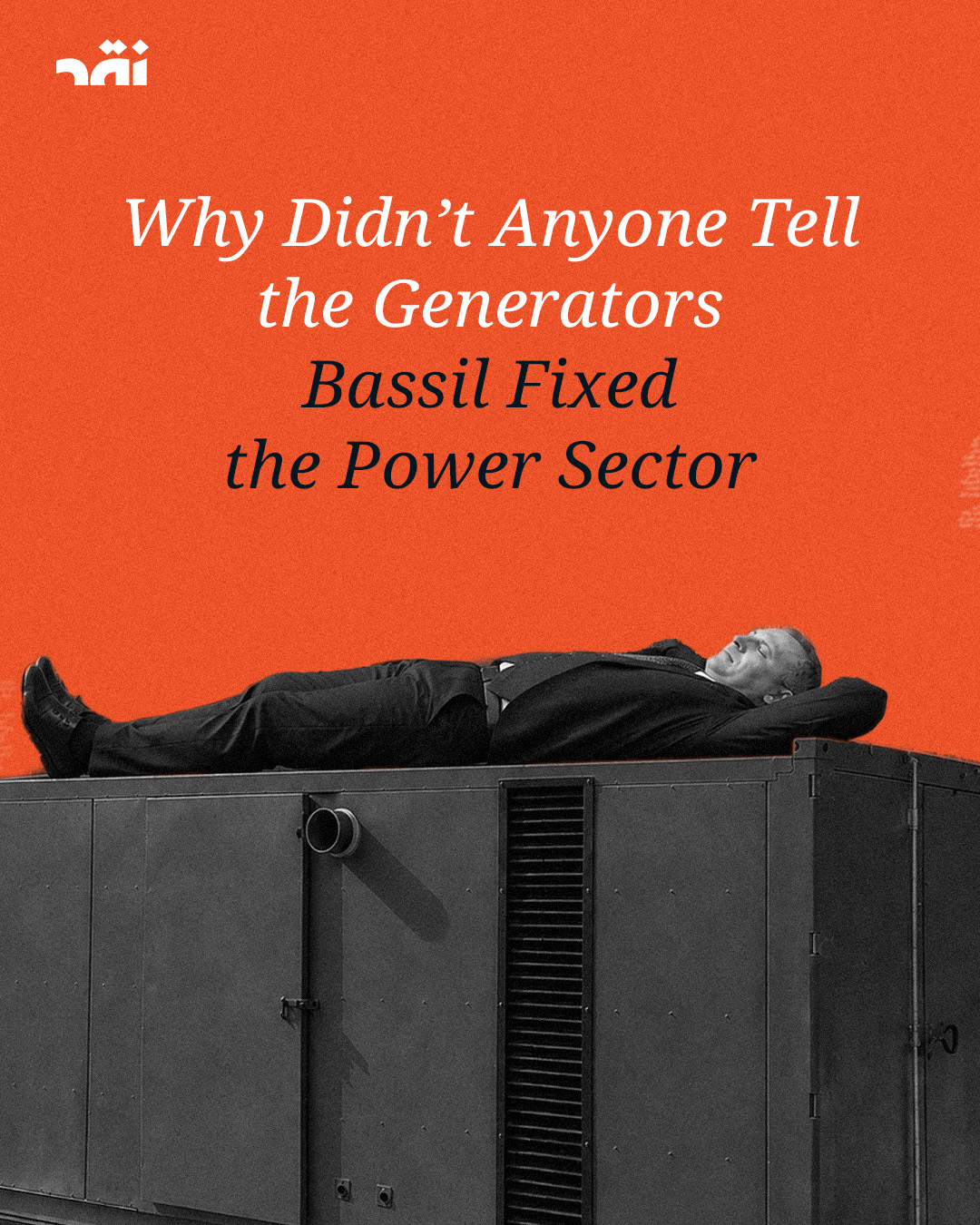
Why didn’t anyone tell the generators basil fixed the power sector?
Like this post

21 Aug 2026
Walid Fayad has returned to the electricity file, this time as a critic, objecting to the power-sector policy adopted by the government in 2026. His main argument is that the plan seeks to manage the transition toward liberalizing the electricity market through government measures, while he believes this transitional phase is not regulated under Law 462 and that the law should first be amended by Parliament. He has also warned that opening the market to competition in a small Lebanese market with a limited number of producers could lead to disorder and political quota-sharing rather than genuine competition.
The dispute took another turn over the issue of the single buyer, a model in which one entity purchases electricity from producers during the transitional phase before distribution and gradual market opening. Fayad now defends this model, while Energy Minister Joe Saddi’s office has pointed back to the 2022 plan, arguing that both a phased transition and a central purchasing entity were already part of the policy approved when Fayad himself was minister. In other words, some of today’s criticism appears to echo elements of the ministry’s own previous approach.
Fayad also argues that the 2026 policy is too narrow because it does not settle key questions: where Lebanon will generate its electricity, which fuels it will use, how projects will be financed, and how transmission, distribution, and bill collection will be organized. Saddi, meanwhile, presents his plan as part of finally implementing Law 462, more than two decades after it was passed, through the regulatory authority, sector restructuring, and the separation of generation, transmission, and distribution.
Gebran Bassil’s team has also been waging a broad campaign against the current Energy Ministry, criticizing its plans while promoting the achievements of his own tenure. For a moment, one might think electricity under Bassil was available to everyone. Apparently, however, no one informed the neighborhood generators at the time, they kept running day and night, never getting the chance to rest or leave electricity to the grid.