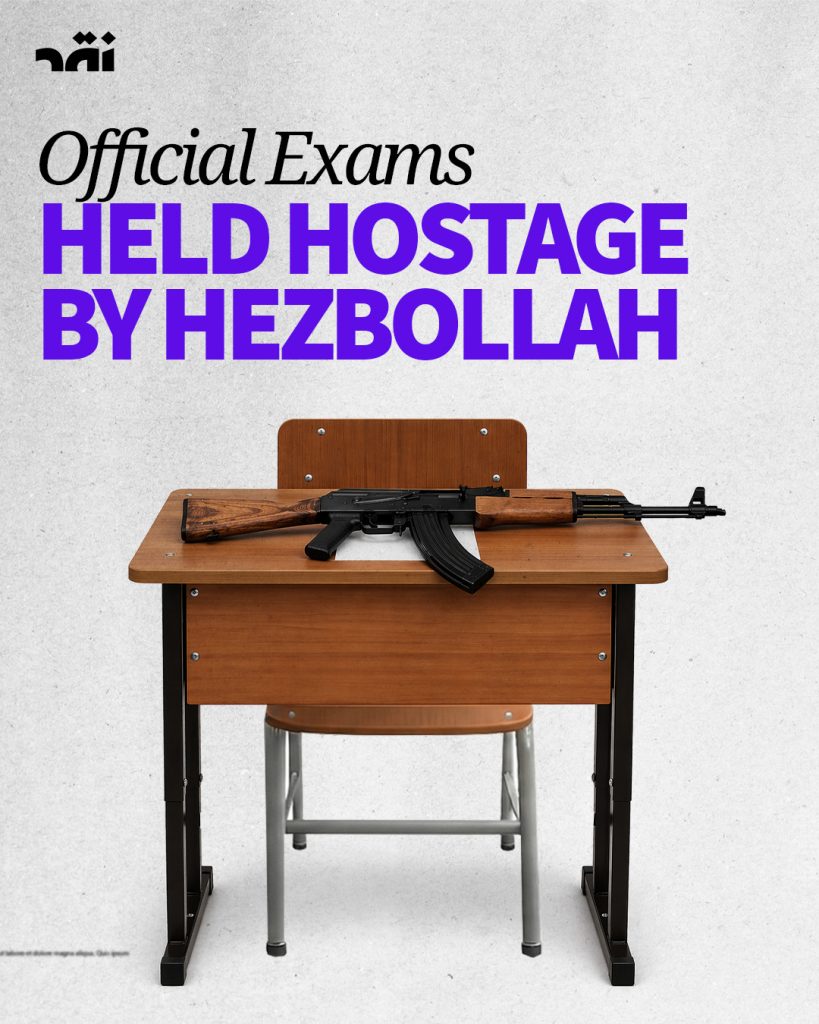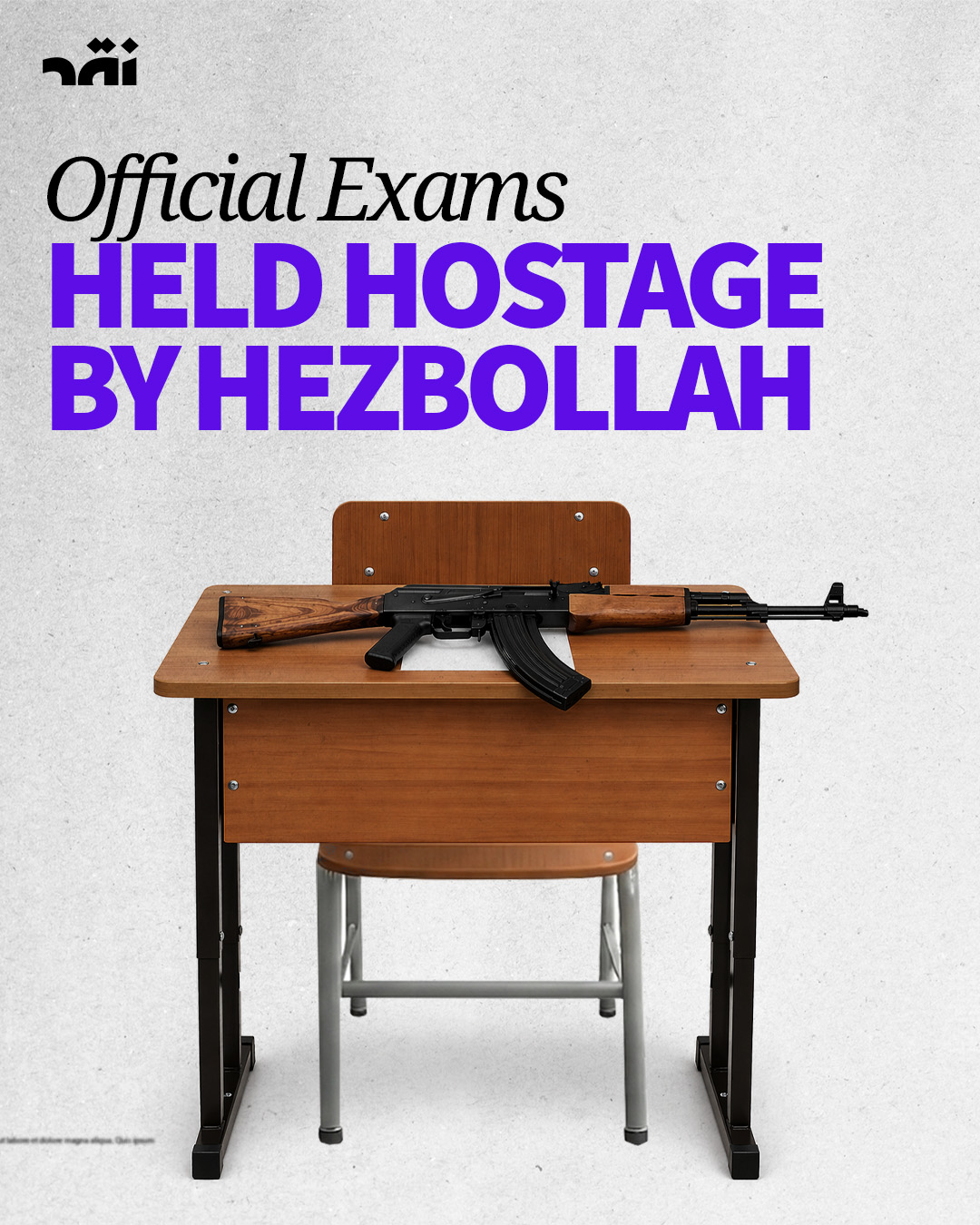
Between an educational decision and the constraints of a complex security reality, Lebanon’s official exams remain hostage to unfolding developments.
Minister of Education Rima Karami is holding a series of consultations to determine the fate of the exams—whether to proceed or postpone them. Yet the decision is no longer purely administrative; it has become a direct reflection of political balances and on-the-ground security conditions.
Politically, lines of division are becoming clear. Some parties have openly supported holding the exams, while the Shiite duo—despite the absence of a definitive official stance—appears inclined against proceeding under current circumstances.
On the ground, the situation is even harsher: more than one million people are displaced from the South and the Bekaa, many villages are destroyed or unprepared, and the ceasefire—despite being extended—remains fragile and far from ensuring stability.
Within this context, the Ministry proposed organizing two separate exam sessions: one for displaced students and another for the rest. However, the proposal was dropped. Meanwhile, some parties are pushing to hold exams in relatively stable areas, even if separately from affected regions, while the duo rejects holding exams altogether.
In reality, none of the options seem fair. Holding the exams would disadvantage many, but canceling them would also create injustice. The worst option, however, remains granting mass passing certificates, as it carries long-term educational and professional consequences—emptying the diploma of its value and undermining equal opportunity. The duo, particularly Hezbollah, may oppose holding exams out of concern for displaced students who have been unable to study. Yet one cannot help but wonder: if such concern exists today, why was it absent before the war began—and before these students’ futures were put at risk?