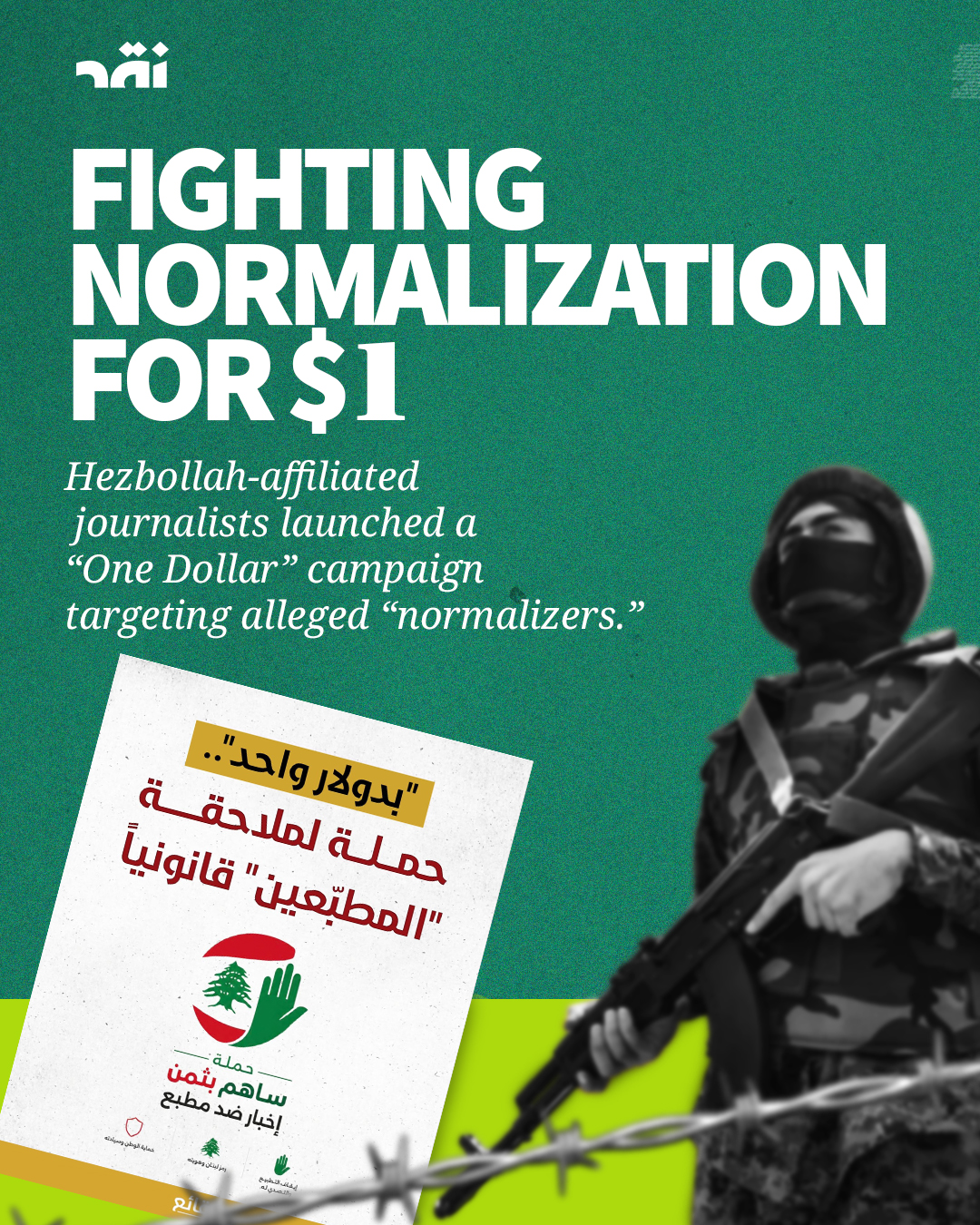

Some Hezbollah-affiliated journalists recently launched a campaign titled “For One Dollar,” encouraging people to file legal complaints against those they consider to be engaging in normalization with Israel. Even if the campaign is presented under the banner of “social resistance” or confronting normalization, it raises a much deeper and more troubling issue: the transformation of ordinary citizens into watchdogs over one another, and the linking of patriotism to the surveillance and reporting of individual behavior.
Once the act of “informing” on others becomes an organized collective project, society gradually shifts from a space of freedom and diversity into one of fear and permanent accusation. People begin to feel constantly watched — in their opinions, their choices, and even their personal interactions.
The problem with these campaigns is not only political, but also cultural and social. They assume the existence of an absolute moral authority that decides what is acceptable and unacceptable, who qualifies as patriotic and who deserves to be labeled a traitor. Yet healthy societies are built on clear laws and functioning institutions, not on open-ended popular campaigns that can easily turn into public shaming, incitement, and collective trials on social media.
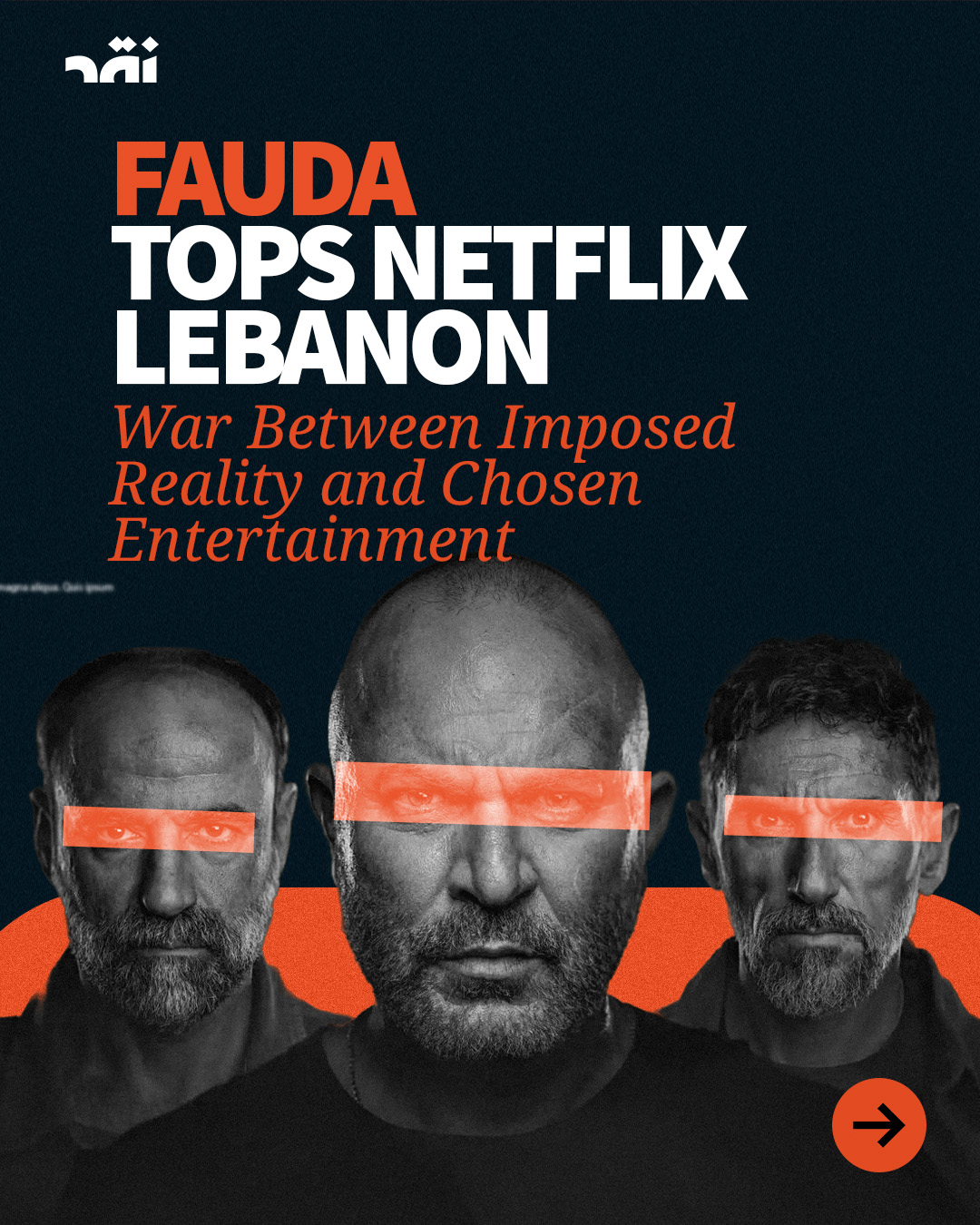
More importantly, the idea of imposing bans and isolation has become almost impossible to sustain in the modern world. The entire world is now interconnected. What is banned in cinemas is instantly available on streaming platforms. People prevented from communicating through one channel will simply find another, whether through social media, messaging applications, or even dating apps. No authority can realistically control every form of interaction anymore.
Most people today use services, products, and digital platforms without even knowing their origins or the political and economic networks connected to them. As a result, the concept of “normalization” in campaigns like these becomes dangerously vague and endlessly expandable. It can grow to include almost anyone, depending on political mood, personal interpretation, or public pressure.
What makes this even more dangerous is the role of social media, which increasingly transforms such campaigns into digital courts. A single post, image, or rumor can trigger waves of public harassment and accusations against someone long before any investigation or evidence exists. In this environment, public shaming becomes a tool of social pressure rather than a legitimate legal process, creating a climate of moral intimidation that pushes people toward self-censorship out of fear of attack or accusations of treason.
Experience has repeatedly shown that societies are not governed through constant prohibition and moral policing. They are built through genuine awareness, fair laws, and states capable of applying policies clearly and consistently. Turning every individual into a potential informant does not create solutions. More often, it opens the door to division, personal vendettas, and political exploitation.