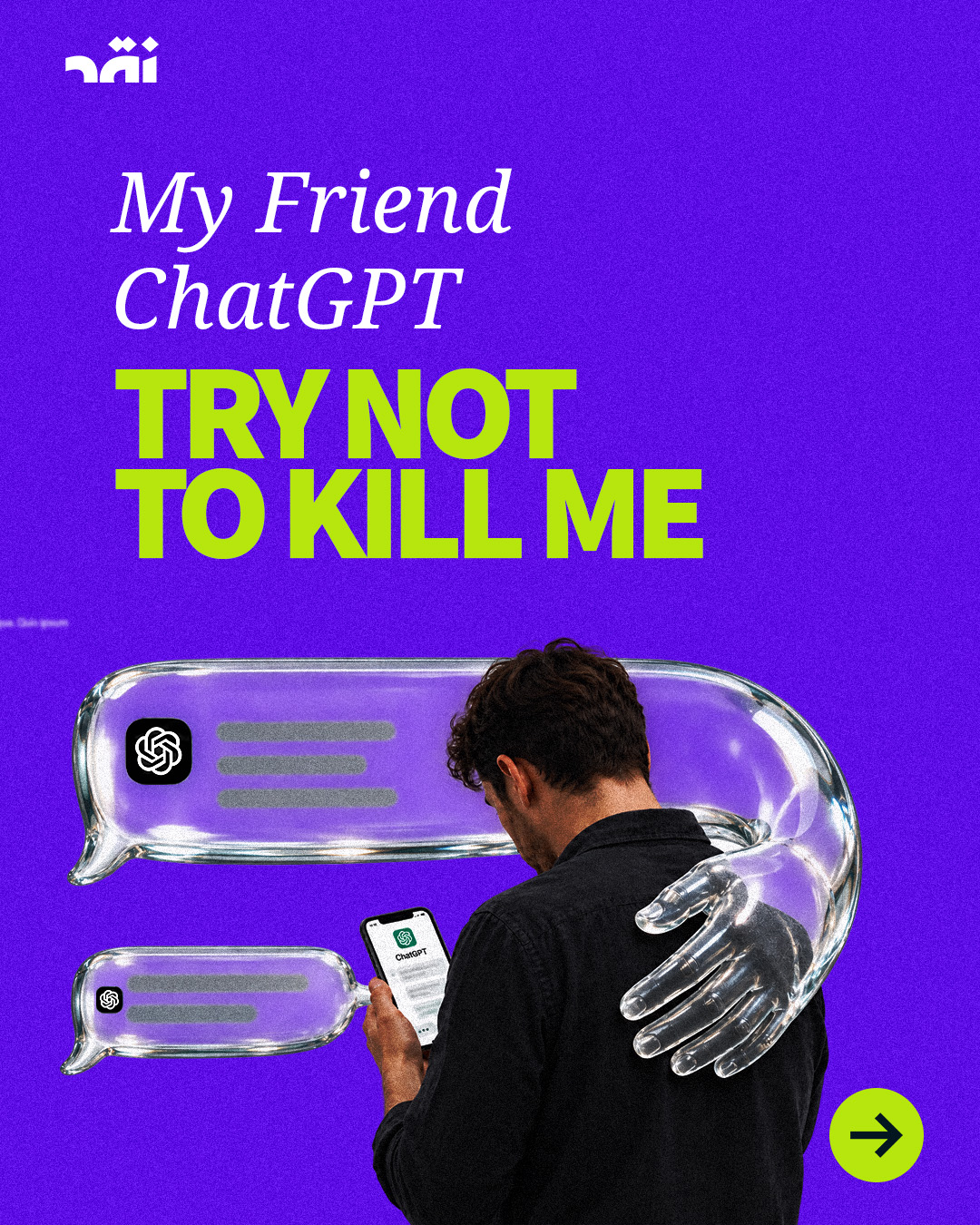

Mathias Habib: A Case Raising Serious Questions
Lebanese teenager Mathias Habib died by suicide after ChatGPT conversations about philosophy turned to ending his life. His family accuses OpenAI of missing warning signs and alleges the chatbot helped prepare a post for publication after his death.
When an App Feels Closer Than People
People share fears, relationships and mental health struggles with AI. Always available and seemingly understanding, it can foster intimacy that develops into emotional attachment and growing dependence.
It Tells Us What We Want to Hear
Some AI models affirm users’ beliefs, potentially reinforcing distorted views during psychological distress. Professional support combines empathy with questioning thoughts and testing their accuracy.
Psychological Knowledge Is Not Enough
AI can offer mental health information yet miss crucial details. Therapy involves professional assessment, personal context and ongoing observation, guided by ethical standards and accountability.
Existential Questions Deserve Deeper Reading
AI can introduce ideas about life, death and meaning, but may oversimplify them or remove their context. Original works offer room for reflection, comparison and critical thinking.
A Response Can Put a Life at Stake
Mathias’s case raises questions about AI’s ability to detect warning signs, especially among minors. Harmful responses can have grave consequences, making stronger safeguards and clear access to human support essential.