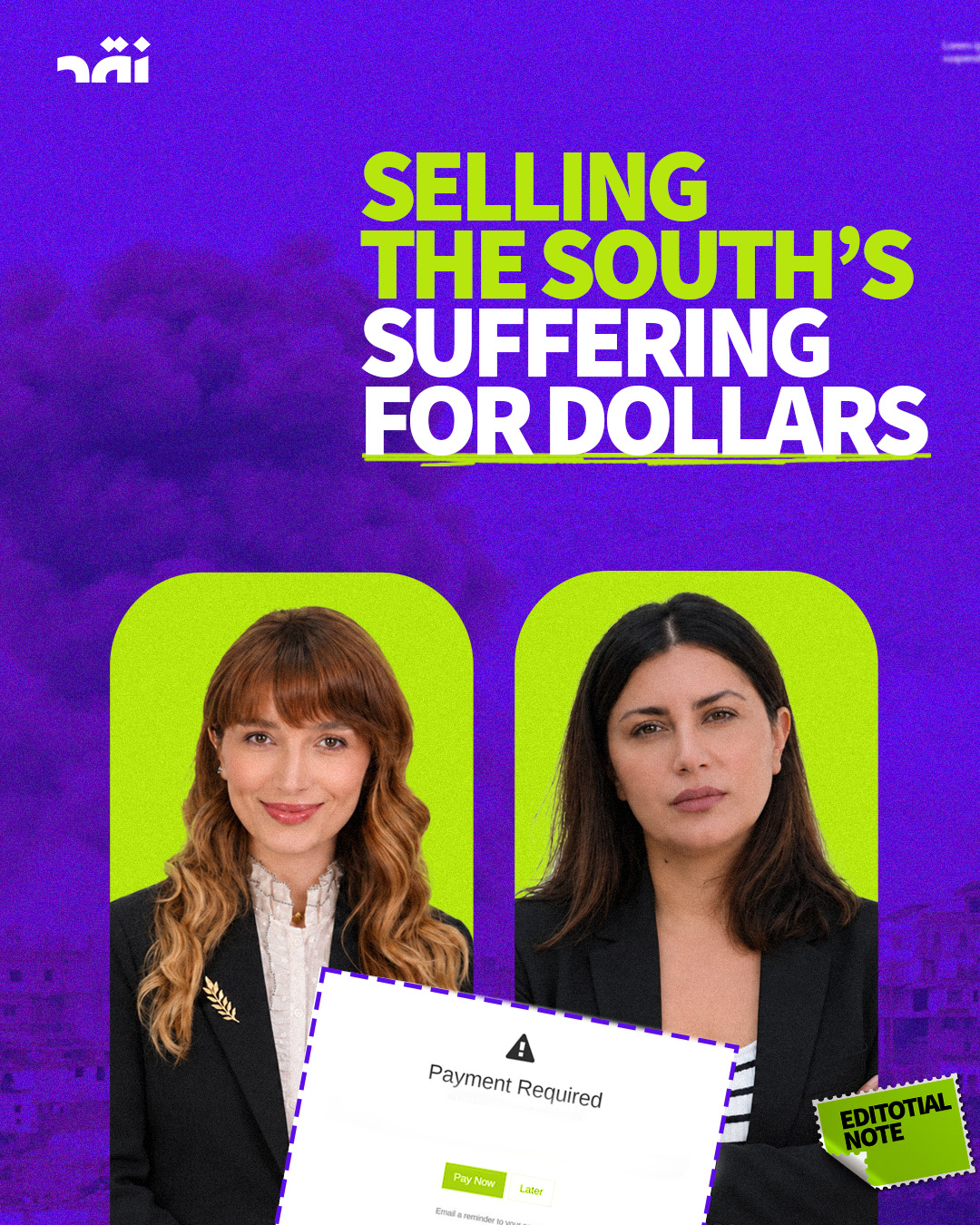

Media figures aligned with the so-called “resistance camp” have turned the history of South Lebanon and its conflicts into paid sessions and workshops costing hundreds of dollars, after years of publicly invoking sacrifice and steadfastness.
The practice raises questions about monetizing a history for which local communities paid with their lives and homes, particularly when documents, archives, and historical sources are already widely available.
Between the rhetoric of sacrifice and the payment links lies a broader question about journalism’s responsibility to preserve and share knowledge — and the limits of turning people’s suffering into a commercial product.