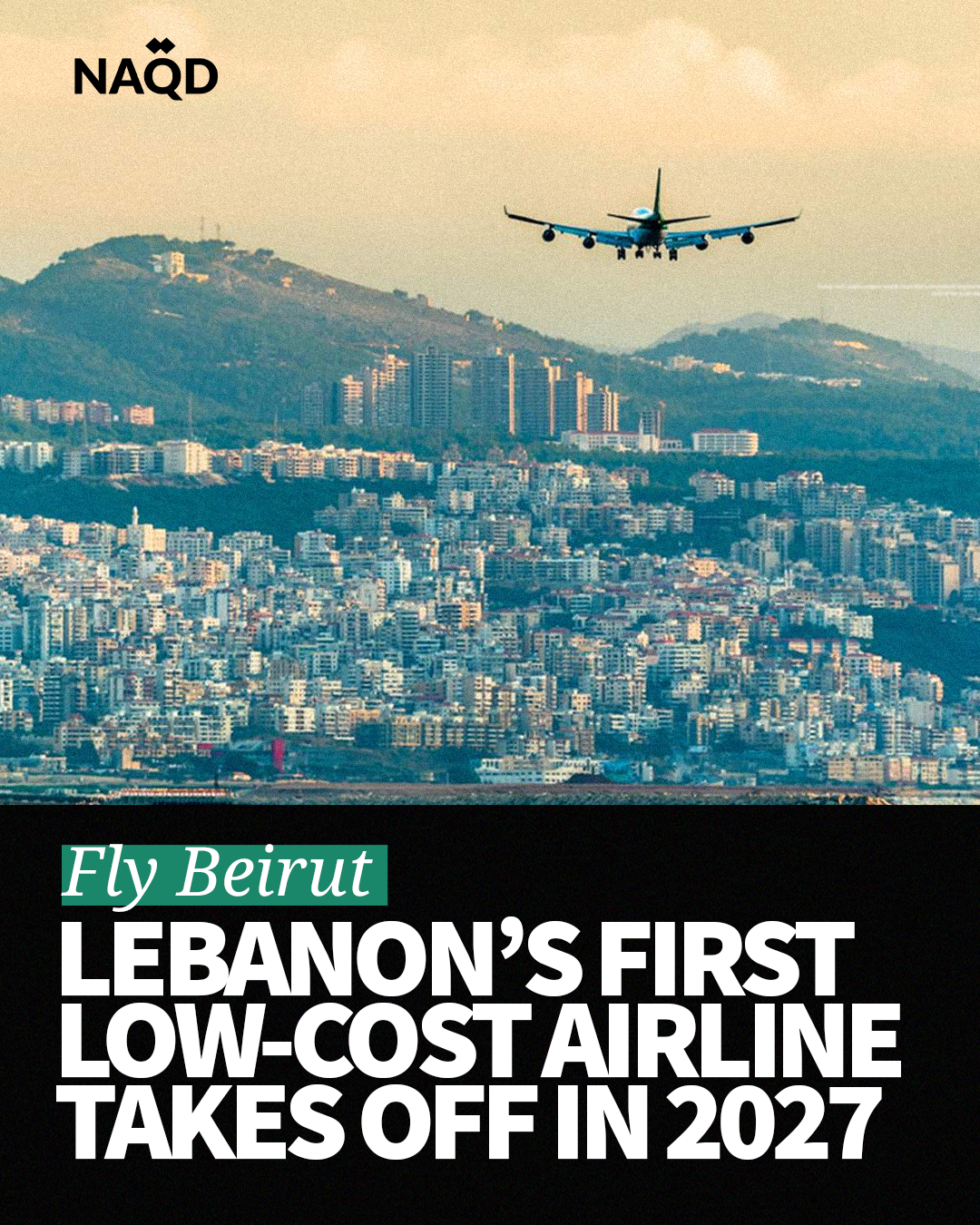

A new chapter is about to take off for Lebanon’s aviation sector.
According to Middle East Airlines (MEA) Chairman Mohammed El‑Hout, the national carrier is preparing to launch its own low-cost subsidiary, expected to officially debut in the first quarter of 2027. (This is Beirut)
Why this matters
Lebanon has long lacked a true budget-airline alternative. High fares on existing carriers have often made air travel a luxury for many Lebanese — especially those with families or part of the diaspora. With this move, MEA hopes to:
Reinvigorate the travel industry, at a time when Lebanon is seeking to reset itself amid economic recovery and post-conflict re-engagement. (The New Arab)
Tap into the diaspora market by offering more accessible fares for visits home, family reunions and direct routes.
Open up new destinations, especially in Europe and the Middle East — Germany, Denmark and Egypt have already been mentioned as target markets. (L’Orient Today)
The plan in brief
The budget arm will reportedly start with four aircraft and operate as a wholly-owned but operationally independent subsidiary of MEA. (Ice)
MEA already has an order book of nine new aircraft (including Airbus A321XLRs, A330 Neos and more), which will help underpin the expansion. (Business News)
The launch timing hinges on aircraft availability, leasing arrangements and market conditions — global supply chain issues have delayed many deliveries in the aviation industry. (Beirut.com)

What’s next & key challenges
➊ Infrastructure: The success of the new budget carrier will also depend on improvements at Beirut Rafic Hariri International Airport. MEA has indicated plans for a second terminal with an initial capacity for five million additional passengers. (Business News)
➋ Fleet and supply: Securing the right new aircraft in time is crucial. MEA’s chairman has highlighted tight global supply and long wait-lists from aircraft manufacturers. (L’Orient Today)
➌ Market positioning: MEA will need to strike a balance between its legacy full-service brand and the new low-cost arm without internal competition. Offering the right mix of routes, fares and services will be key.
➍ Regional competition and risk: Lebanon’s aviation sector faces distinct challenges — not least safety perceptions that come with regional instability, currency constraints and fluctuating demand. That said, MEA has shown resilience even during conflict. (Le Monde.fr)
If realized as planned, Lebanon’s new low-cost carrier could mark a significant shift: from expensive and limited access to more widespread, affordable connectivity. For Lebanese travellers, the diaspora and the country’s tourism industry alike, it represents a long-awaited expansion of opportunity.
With a tentative launch slated for early 2027, the coming years will be decisive. For now, the announcements signal bold ambition — and the first real step toward putting Lebanon back on the accessible aviation map.